2 Days Akagera National Park Safari: The Big Five in 48 Hours from Kigali
You can be standing in Kigali at seven in the morning and watching a herd of elephant cross the track in front of your vehicle by half past ten. That is the part about Akagera that surprises people who assume Rwanda begins and ends with gorillas.
Two days is enough to do it properly — the boat on Lake Ihema, the giraffe and zebra on the southern plains, and a dawn drive north where lion, buffalo and rhino are moving before the heat settles in. It is not enough for everything the park holds, and it does not need to be. This is the safari you add to a Rwanda trip when you have 48 hours and want to spend them well.

What 48 hours actually gets you
- Day one, late morning: giraffe, zebra, impala and topi on the drive in to your lodge
- Day one, afternoon: an hour on Lake Ihema with hippo pods, crocodiles and 500+ bird species
- Day one, evening: optional night drive — genets, civets, nightjars, lions if the park is willing
- Day two, from 06:00: the northern plains for lion, buffalo, elephant and rhino
- Day two, midday: picnic lunch above the Akagera River, Tanzania on the far bank
- Day two, evening: back in Kigali, or straight to the airport
One night inside the park, two and a half hours from the city, no domestic flight and no border crossing. It is the easiest serious safari in Rwanda to fit into a short trip.
Why the two days are shaped this way
Akagera runs about 100 kilometres from the southern gate to the northern boundary. Most two-day itineraries arrive at the gate mid-morning and then try to drive north in the same afternoon. The result is five hours in the vehicle getting there and back, the park seen through a windscreen, and a lodge arrival after dark.
We split it. Day one stays south, where the lakes, the woodland and the wildlife sit close together and nothing is far from anything. Day two starts before sunrise and goes north while the tracks are empty and the animals are still active, with lunch in the vehicle and no fixed turnaround.
It is a small piece of routing, and it is the difference between a two-day safari that feels rushed and one that feels finished.
Day 1: the lakes, the boat, the light
We collect you from your Kigali hotel or the airport in the morning. The first hour east is terraced hills and banana plots; then the land flattens into acacia and you are at the gate, two and a half hours after leaving the city.
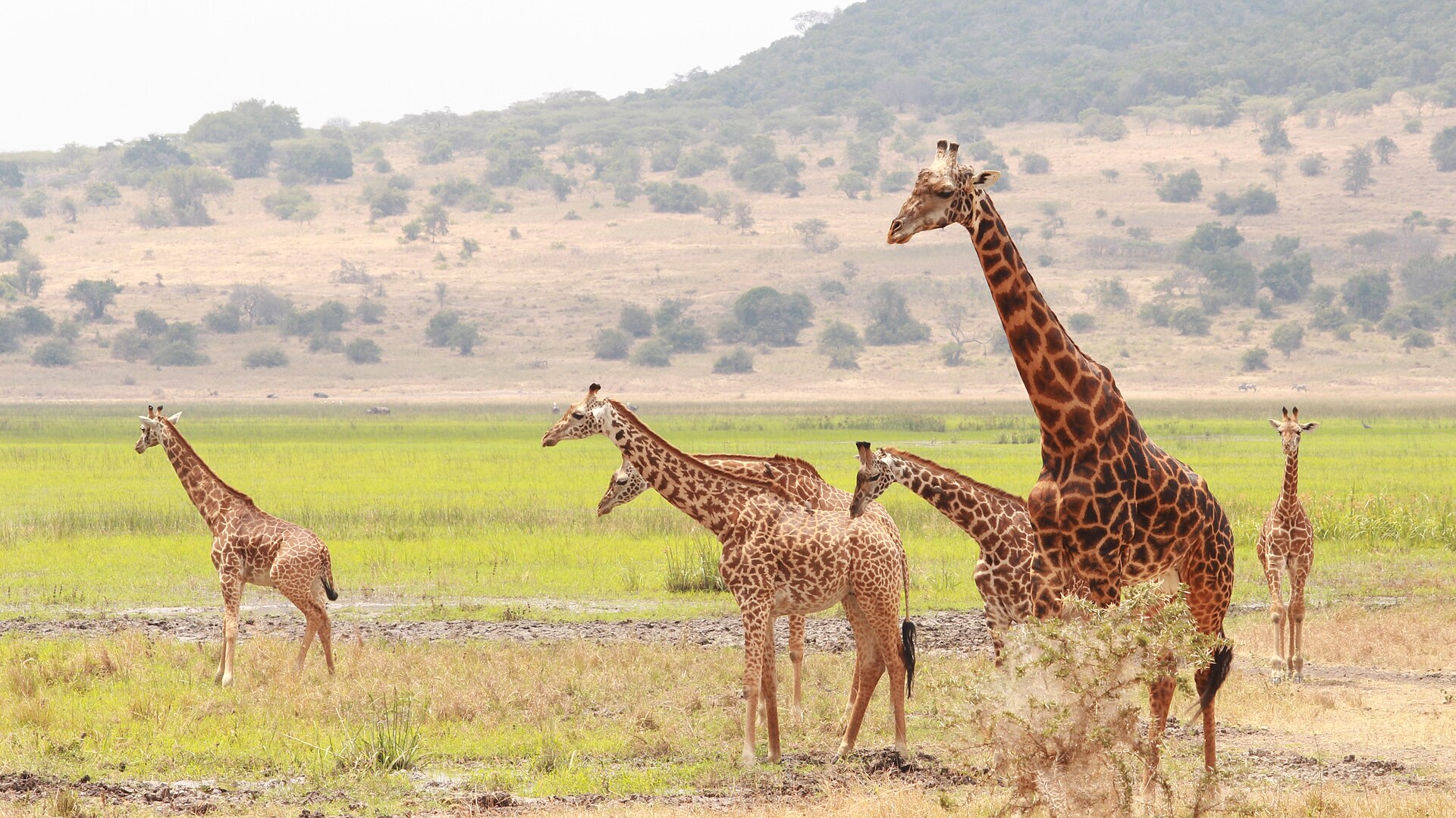
Registration takes ten to twenty minutes. From there the southern loop delivers almost immediately — Maasai giraffe, darker and more heavily patterned than the ones you see in Kenya, zebra in family groups, and elephant moving between the woodland and the water.
Check in, eat, then the afternoon belongs to Lake Ihema — the largest of the park’s lakes and the best hour of the day. Hippo pods line the banks in numbers that stop being countable, Nile crocodiles lie open-mouthed on the sand, and elephants come down to drink in the late afternoon.

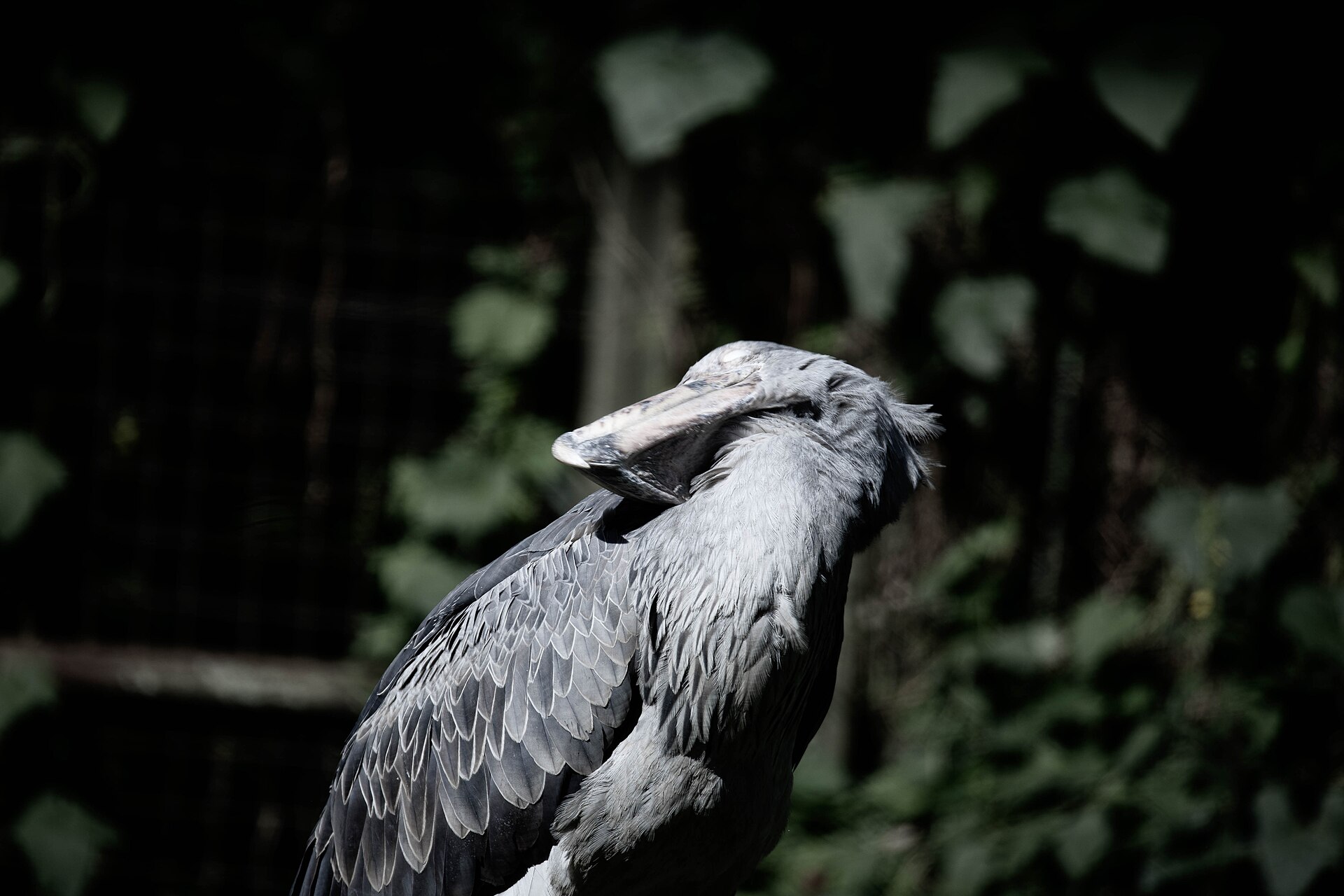
Then the birds. The papyrus around Ihema is one of the few places in Rwanda where a shoebill turns up, and when it does the whole boat goes quiet. Nothing on this lake is guaranteed, which is exactly why it is worth being on the water at the right hour.
Day 2: north, before the heat
Coffee at 05:30, out at 06:00. The northern route climbs through the Kilala plains and the Muhana and Kirara grasslands, and this is where the two days pay for themselves.
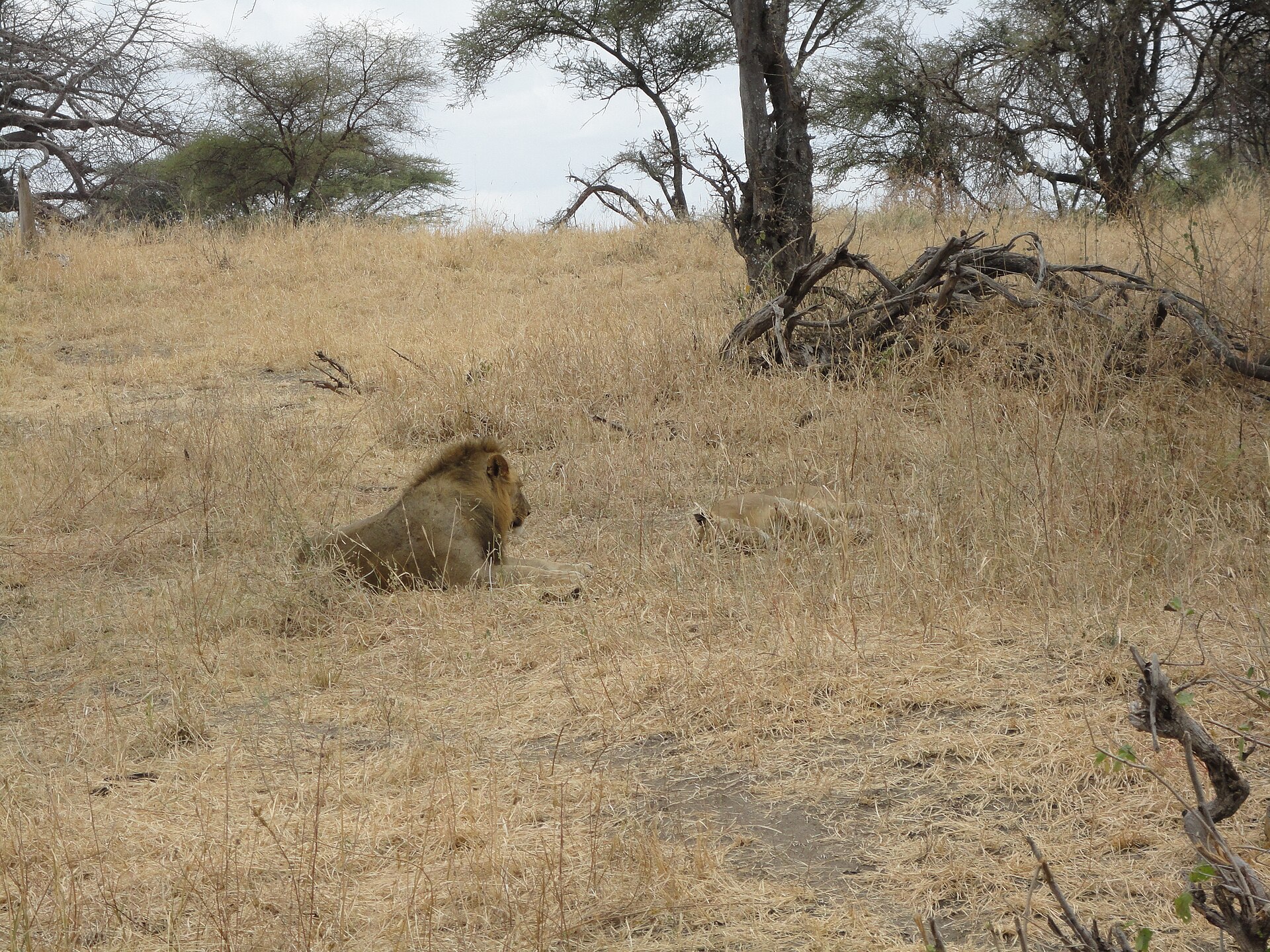
Lions were brought back to Akagera in 2015 after a twenty-year absence and have bred steadily since. Buffalo herds run into the hundreds. Rhino — black in the thickets, white on the open ground — returned in 2017 and completed the Big Five. Leopard is here too, though it does not pose for anybody.
We take lunch to a viewpoint above the Akagera River, with Tanzania on the far side, and work south through the afternoon. You are out of the park in the late afternoon and back in Kigali by early evening — or at the airport, if your flight is late enough.
What the park costs, without the guesswork
These are the Akagera Management Company rates, published and identical for every operator. Most pages still quote figures that are years out of date.
| Item | Price (USD) | Notes |
|---|---|---|
| Entry, international adult | $100 | One night in the park. $150 for two nights, $200 for three |
| Entry, child 6 to 12 | $50 | Under 5 free |
| Entry, Rwandan or EAC citizen | RWF 15,000 | Foreign residents $50 |
| Vehicle fee | $10 | $40 if the vehicle is foreign-registered |
| Boat, scheduled daytime | $35 | One hour |
| Boat, sunset | $45 | Best light, most popular slot |
| Night drive | $40 | 2.5 hours, minimum two guests |
| Behind the scenes tour | $25 | 1.5 hours, minimum four |
| Guide for self-drive | $25 half day / $40 full day | Worth it — they know the tracks |
Two things worth knowing before you book. Entry is charged per night, not per day, so one night covers both days either side of it. And the fee halves for the second and third nights — a two-night stay costs $150, not $200.
We settle all park fees in advance. There is nothing to pay and no queue at the gate when you arrive.
What your quote covers
- Private 4×4 with pop-top roof, fuel and driver-guide
- Park entry, vehicle fee and all activities listed in the itinerary
- One night’s accommodation on the tier you choose
- Meals as per the itinerary, and drinking water throughout
- Hotel or airport pickup and drop-off in Kigali
Not included: international flights, Rwandan visa, drinks at the lodge, tips, and any optional activity such as the night drive or behind-the-scenes tour. We list those separately rather than burying them.
Where you sleep
- Lodge and mid-range: Akagera Game Lodge, Ruzizi Tented Lodge — Ruzizi is on the lake edge and the better of the two
- Bush camp: Karenge Bush Camp in the north, for people who want to be inside the park rather than near it
- Top end: Magashi Camp in the north-east, the most remote and most expensive
- Budget: camping at Mihindi, $25 a night, or $50 with breakfast
For two days we keep you south. Driving north to sleep and back at dawn costs you two hours of game viewing.
Three add-ons worth the money
The night drive, $40. Two and a half hours with a park vehicle and spotter after sunset. Genets, civets, white-tailed mongoose, nightjars and occasionally lions hunting. It turns the evening at the lodge into part of the safari instead of a break from it.
The behind the scenes tour, $25. Ninety minutes with the conservation team, on how a park that lost most of its wildlife in the 1990s was rebuilt. If you care about the story rather than only the checklist, this is the one.
The sunset boat instead of the daytime one, $45. Same lake, better light, elephants coming down to drink at exactly the right hour.
When to come
June to September is the long dry season: short grass, animals concentrated around water, easy driving on the dirt tracks. It is also when lodges inside the park fill first, and Ruzizi has very few rooms.
December to February is the short dry window, slightly cheaper and quieter. April and May bring green plains and superb birding, but some tracks turn to mud and the northern circuit can close after heavy rain — we will tell you honestly if your dates fall in that window.
Questions travellers ask
Is two days enough for Akagera?
Yes, for the south and the northern plains. What it will not do comfortably is a full traverse plus every add-on. Three days is relaxed; two is efficient.
Will I definitely see the Big Five?
No. Elephant, buffalo and giraffe are routine. Lion and leopard are likely. Rhino is the one people miss, and the north at dawn is where your odds are best.
Can I self-drive?
Yes — entry includes self-drive game viewing, plus a $10 vehicle fee. Hiring a park guide for $25 half a day is the difference between driving around and finding animals.
Is it worth it if I am already doing gorillas?
Yes, and they complement each other. Gorillas are forest and altitude; Akagera is open savannah, a boat safari and an entirely different set of animals.
Can I fly out the same evening?
Usually yes, if your flight is after 20:00. Tell us the time and we will build the second day around it.
How far is the park from Kigali?
Two and a half to three hours to the southern gate, around 110 kilometres.
Booking the two days
We have run safaris out of Kigali for over ten years, and Akagera is the trip we do most often. You get a private 4×4 with a driver-guide who knows which tracks are holding cats that week, park fees settled before you arrive, and a written itinerary that matches what actually happens on the day.
To check dates, send us three things — your travel month, how many of you, and whether you want budget, mid-range or lodge — and we will come back with availability and a full itemised quote.
Call or WhatsApp +250 786 300 649 or email info@excellentafricansafaris.com.
If you only have one day, see our one day Akagera itinerary. If you are pairing this with the north of the country, our Kigali city tour fits neatly either side.
Photography: Akagera elephant, giraffe, lion and Lake Ihema images from Wikimedia Commons, used under Creative Commons licences (CC BY / CC BY-SA). Shoebill image from Wikimedia Commons under a CC BY-SA licence. Attribution details are on each file’s Wikimedia Commons page.