1 Day Akagera National Park Itinerary: The Ultimate Kigali Day Safari Guide
A 1 day Akagera National Park itinerary is the quintessential wildlife day trip for travellers visiting Rwanda. Located roughly 110 kilometres east of Kigali, Akagera is the country’s only savannah park and its largest protected area, home to the Big Five — lion, leopard, rhino, elephant and buffalo. Within a single well-planned day you can leave Kigali at dawn, cross the rolling plains and acacia woodland, cruise Lake Ihema, track predators across the Kilala plain, and be back in the capital before nightfall.
Whether you have a tight business layover in Kigali, are pairing a safari with mountain gorilla trekking in Volcanoes National Park, or simply want an authentic Big Five game drive without multi-day lodge rates, this hour-by-hour guide covers the timing, entry logistics, vehicle requirements, packing, costs and the routing that makes a single day work.
Quick snapshot: 1 day Akagera National Park safari
- Total duration: one full day, roughly 14 to 15 hours round-trip from Kigali
- Distance from Kigali: 110 km, 2.5 to 3 hours each way on tarmac to the gate, then murram inside the park
- Entry and exit: in through the southern gate at Kiyonza, out through the northern gate at Nyungwe after the full south-to-north traverse
- Wildlife: African bush elephant, Maasai giraffe, lion, black and white rhino, Cape buffalo, zebra, leopard, hippo, Nile crocodile, topi, impala, and over 500 bird species
- Highlights: the morning boat on Lake Ihema, the view from the Mutumba hills, and game driving across the Kilala plains
- Vehicle: a 4×4 Land Cruiser or safari van with a pop-up roof — not optional on the northern tracks
Hour by hour
04:30 to 05:00 — pickup in Kigali and the drive east
Your day starts with a private pickup from your hotel or residence in Kigali. Leaving before dawn matters: it beats the city traffic, puts you at the gate as it opens, and buys you the hours when predators and herds are still active.
The road east runs on the RN3 through Rwamagana and Kayonza, and the sun comes up over the hills somewhere past the city limits.
06:30 to 07:00 — coffee stop and Imigongo art
Roughly halfway, near Kayonza, there is a fifteen-minute comfort stop. Fresh Rwandan coffee, proper restrooms, and a look at Imigongo — the geometric art made from cow dung, a craft specific to this part of the country and worth ten minutes of your attention.
07:30 to 08:00 — arrival at the south gate, briefing and clearance
At Kiyonza Gate your driver-guide handles registration, day-visitor permits and conservation fees. Use the time to look at the 3D relief map in the visitor centre — it makes the scale of the park obvious — and to meet the ranger who will travel with your vehicle. A park guide is the single best-value upgrade on a one-day trip.

08:30 to 09:45 — the boat on Lake Ihema
Board the pontoon at Lake Ihema, the largest of the park’s lakes. An hour on the water gives you a completely different park:
- Hippo pods packed along the banks, and Nile crocodiles sunning on the sandbars
- Elephants coming down to drink and bathe in the shoreline reeds
- African fish eagles, Goliath herons, pied kingfishers, open-billed storks and papyrus endemics such as the papyrus gonolek
10:00 to 13:00 — southern sector and the Mutumba hills
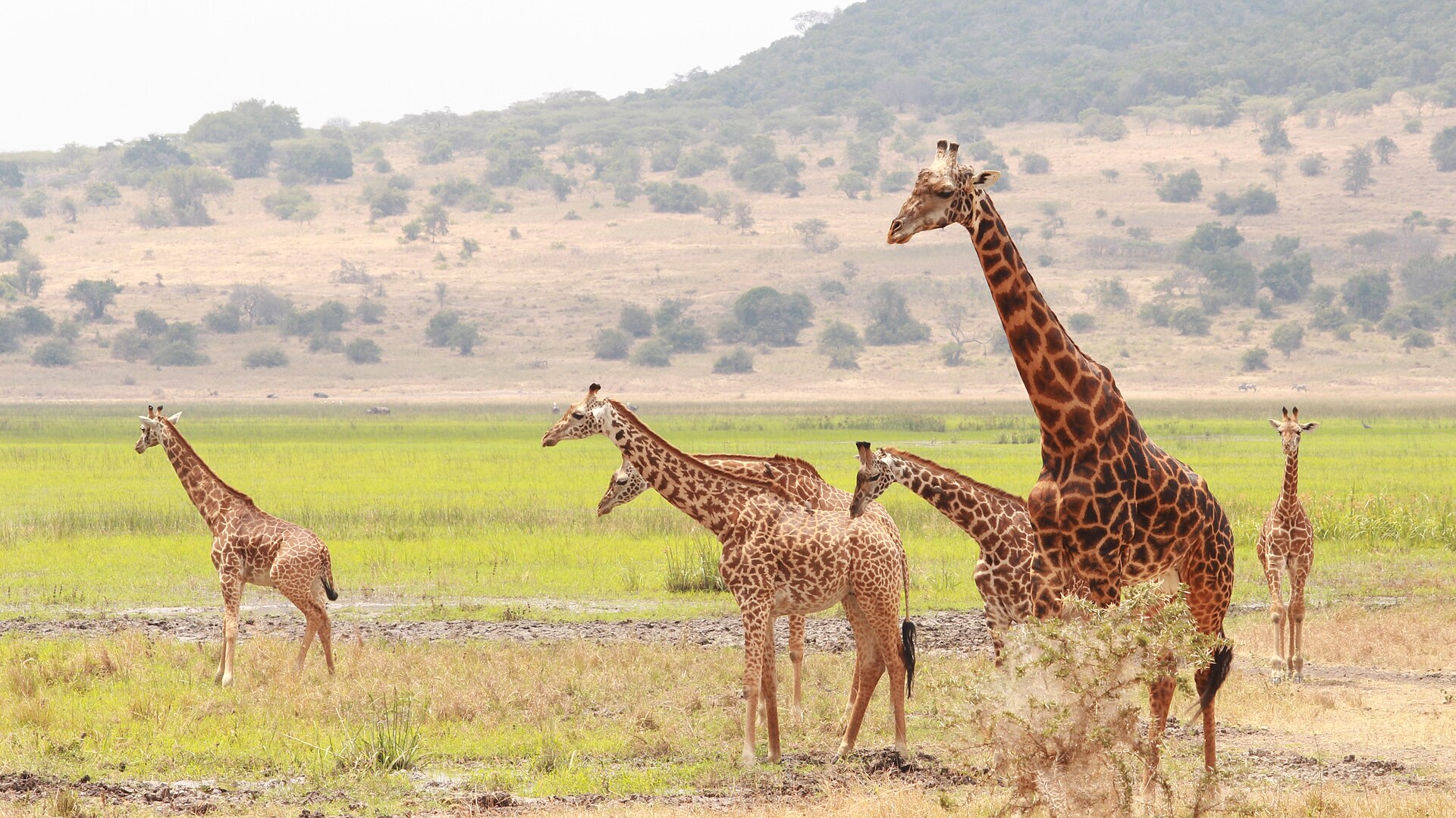
Back in the vehicle and northward. The southern sector is dense acacia woodland threaded with lakes — Birengero, Hago and Kivumba — and holds olive baboons, vervet monkeys, defassa waterbuck, bushbuck and Maasai giraffe browsing the canopy at eye level.
Climbing the Mutumba hills, the highest ridge in the park, gives you a 360-degree view over the lake chain with the Tanzanian hills on the skyline.
13:00 to 13:45 — picnic lunch at Mihindi
Lunch at the Mihindi campsite and café above the lake: cold chicken or beef skewers, local fruit, vegetable wraps and something cold to drink, with hippos wallowing offshore and shade over the tables. Clean restrooms, which matters more than it sounds by this point in the day.

13:45 to 16:30 — Kilala plains and predator country
North again into the open grassland of Kilala and Mohana, which is where the park’s wildlife concentrates:
- Herds: Burchell’s zebra, topi, eland — Africa’s largest antelope — impala and Cape buffalo across the flats
- Elephant: breeding herds moving in the open, best photographed against the afternoon cloud
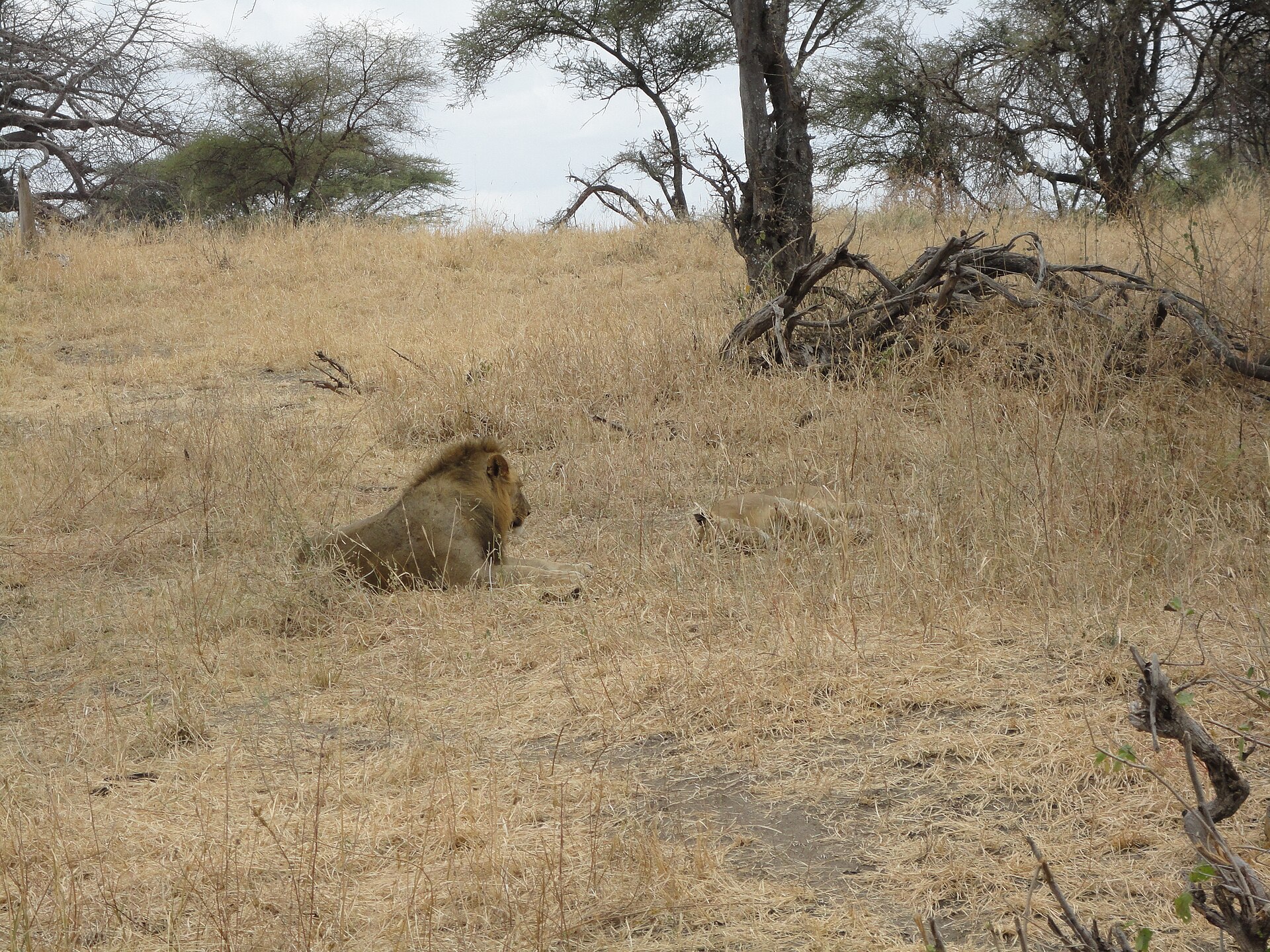
- Cats: Akagera’s lions shelter under desert date trees and on termite mounds; leopard is possible, hyena and side-striped jackal more likely than people expect
- Rhino: southern white on the open ground and eastern black in the thickets, both under round-the-clock monitoring
16:30 to 17:00 — northern exit at Nyungwe Gate
Finish at the northern gate. Running the park one way, south to north, removes the backtracking that ruins most day tours and lets you cover close to 100 kilometres of changing habitat in a single day.
17:00 to 19:30 — back to Kigali
The northern road back through Nyagatare and Kayonza is smooth and quick. You are in Kigali in time for dinner, or at the airport if your flight is late.
Why the south-to-north route is worth insisting on
Plenty of day tours enter at the south gate, drive as far as Mihindi, turn around and exit the same gate. That is a wasted afternoon. The traverse gives you three things:
- No backtracking. Every hour is new landscape — southern marsh, central woodland, northern grass
- Predator hours where the predators are. Kilala holds the densest game, and exiting north means you spend the golden late afternoon there instead of racing south
- A faster drive home. The northern gate connects straight to the Nyagatare–Kigali highway
Park fees and costs
Akagera’s fees are set by Akagera Management Company, the African Parks and Rwanda Development Board partnership that runs the park, and they are the same for every operator.
| Visitor category | Entry per day or night | Vehicle fee | Boat, scheduled |
|---|---|---|---|
| International visitor | $100 adult, $50 child 6–12 | $10 Rwanda-registered, $40 foreign-registered | $35 daytime, $45 sunset |
| Foreign resident | $50 adult | $10 | $35 |
| Rwandan or EAC citizen | RWF 15,000 | RWF equivalent | RWF equivalent |
Under-fives enter free. A night drive is $40 and the behind-the-scenes conservation tour is $25.
Booking through Excellent African Safaris includes park entry, vehicle fees, ranger guiding, 4×4 transport and lunch in one price.
What to pack
- Passport or national ID — required at the gate
- Binoculars — for leopard in trees, rhino at distance and everything on the water
- Camera and a 70–300mm or 100–400mm lens — enough reach from a pop-up roof without a huge rig
- Neutral clothing — khaki, beige, light green. Avoid dark blue and black in acacia country, which attract tsetse flies
- Sun protection — high-factor sunscreen, wide-brimmed hat, sunglasses
- Insect repellent — DEET, especially for the boat and the evening
- A light fleece — Kigali at 04:30 is cold, and it is hot by ten
Best time to go
- June to September — long dry season, short grass, animals concentrated at water, firm tracks. The best wildlife month and the busiest
- Mid-December to February — short dry window, clear skies, good visibility across the plains
- March to May and October to November — green season, superb birding and dramatic skies, though some secondary tracks demand real 4×4 driving
Questions travellers ask
Can you see the Big Five in Akagera in one day?
Buffalo, elephant and giraffe are close to guaranteed. Lions are regularly seen on the Kilala plains. Leopard and black rhino are the hard two, and they reward an early start, a ranger guide and patience.
Is a 4×4 mandatory?
Effectively yes. The highway is tarmac; inside the park it is dirt, gravel and seasonal mud. A saloon car will not manage the northern loop.
How far is Akagera from Kigali?
About 110 km to the southern gate, 2.5 to 3 hours, on paved road.
Can children come?
Yes. There is no walking and no physical strain — children watch giraffe, zebra and hippo from the pop-up roof. Entry is $50 for ages 6 to 12, free under five.
Book the day trip
Excellent African Safaris runs this itinerary with a pop-up 4×4 Land Cruiser, a licensed English or French-speaking driver-guide, all park and vehicle fees handled in advance, a community ranger for tracking, picnic lunch, and door-to-door transfers from your Kigali hotel.
Call or WhatsApp +250 786 300 649 or email info@excellentafricansafaris.com. If you have a second day, our two day Akagera itinerary adds the northern plains at dawn, which is where the rhino and lion odds improve most.
Photography: Akagera elephant, giraffe, lion and Lake Ihema images from Wikimedia Commons, used under Creative Commons licences (CC BY / CC BY-SA), with attribution details on each file’s Wikimedia Commons page.